
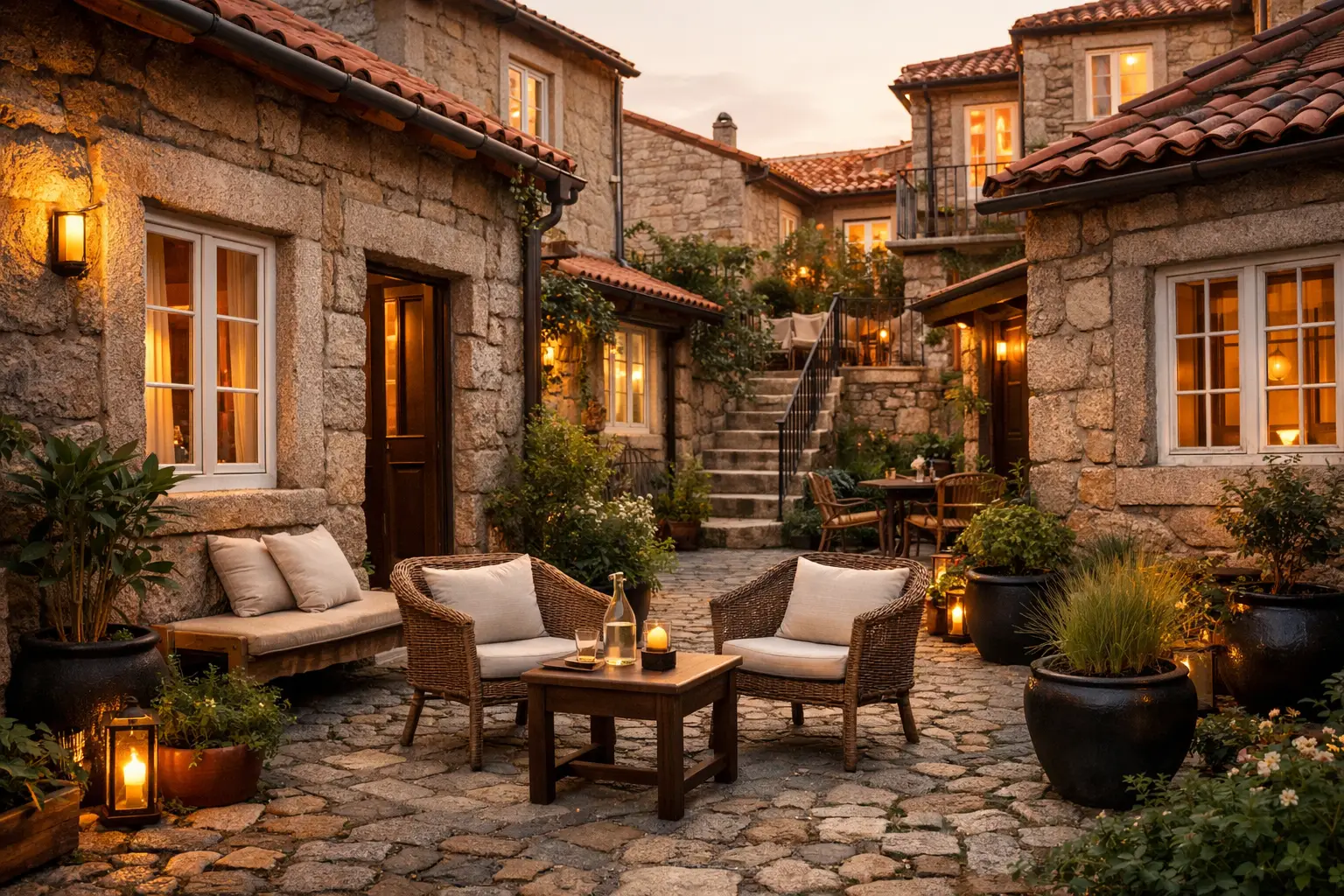
A quiet courtyard stay in Porto can feel wonderfully simple. You collect your keys, hear dishes from a nearby kitchen, and settle into a street rhythm that already existed before your trip began. But behind that ease, Porto tourist accommodation rules shape what kind of place you book, what your host can offer, and how your stay fits into the neighborhood.
For travelers, these rules are not just paperwork. They influence safety standards, check-in procedures, occupancy limits, noise expectations, and even the difference between a thoughtfully run local stay and one that treats a residential street like a temporary backdrop. If you like knowing how a place works before you arrive, it helps to understand the basics.
What Porto tourist accommodation rules actually cover
In Portugal, short-stay lodging outside the traditional hotel model is generally regulated under local accommodation rules, often referred to as alojamento local. In practical terms, this covers apartments, houses, guest accommodations, and room rentals used for tourism stays.
That means a legal tourist accommodation in Porto is not simply a home someone decided to rent for a weekend. It should be registered, meet safety requirements, and follow operating standards set by national rules and, at times, local municipal restrictions or enforcement priorities. The exact framework can evolve, which is why responsible hosts keep a close eye on updates rather than relying on old assumptions.
For guests, the visible signs are usually simple. A professional host asks for identification details required by law, provides clear house rules, communicates check-in procedures, and runs the property with a level of consistency you would expect from a real hospitality business. That does not make the stay less personal. If anything, it tends to make it calmer.
Why these rules matter in Porto specifically
Porto is not a resort built from scratch. It is a lived-in city of apartment buildings, small streets, shops with regulars, and residential courtyards where routines matter. In neighborhoods east of the historic core, and in areas where old housing types still survive, tourism and daily life sit close together.
That is why Porto tourist accommodation rules matter beyond compliance. They are one of the tools used to balance visitor demand with residential life. Rules cannot solve every tension on their own, but they do set expectations. A legal accommodation should not operate like a party venue. It should not ignore safety. And it should not treat neighbors as an inconvenience.
You will notice the difference in places run with care. Hosts think about arrivals at night, shared entrances, sound carrying through stone or tile, and how many people a house can comfortably hold. In Porto, good hosting has a practical side. It respects the city as it is.
Registration, licensing, and what guests should expect
Most visitors will never need to study the registration system in detail, but it helps to know the broad picture. A lawful tourist accommodation in Porto should have a valid local accommodation registration. That registration links the property to a legal operating framework and signals that the host is accountable.
From the guest side, this usually shows up in ordinary but important moments. You may be asked for passport information before or at check-in because hosts often have legal reporting obligations for guest data. You should receive accurate occupancy information, rather than vague promises that a small house can "sleep six if needed." If a place is licensed for a certain number of guests, that limit is there for reasons that include safety and neighbor impact.
There is a trade-off here. The most charming historic properties are not always the most flexible in layout. Older homes may have steeper stairs, tighter bathrooms, or room configurations that do not suit every group. A trustworthy host will tell you that plainly. Clear limits are usually a good sign, not a drawback.
Safety rules are part of the guest experience
When people hear regulation, they often think of forms and bureaucracy. In reality, some of the most useful Porto accommodation rules are the ones you barely notice because they are already built into the stay.
Tourist accommodations are generally expected to meet basic safety standards. That may include fire extinguishers, first-aid equipment, emergency contact information, and complaint procedures. Depending on the property type and setup, there can be more specific requirements as well.
For guests, this matters most in older buildings. Porto has many beautiful structures with age in their walls and character in their floorboards. That is part of the appeal. But heritage should never mean improvisation when it comes to safety. A well-run house can preserve original features while still being responsibly equipped for modern stays.
If you are booking a restored home rather than a hotel, look for signs of operational clarity. Are arrival instructions precise? Are house rules easy to understand? Is there a local contact if something goes wrong? Those small details often tell you more than glossy photos do.
Noise, occupancy, and neighbor respect
This is where rules become very real. In Porto, many short-stay properties are located in mixed residential areas, not isolated tourist blocks. Sound travels. Courtyards amplify footsteps. A late suitcase wheel can be louder than you think.
That is why hosts commonly set quiet hours, occupancy limits, and restrictions on events or unregistered visitors. These are not arbitrary conditions added to spoil anyone's fun. They are usually part of what allows tourism accommodation to exist within a functioning neighborhood.
For travelers who prefer a more grounded city experience, this is usually good news. A house that is not set up for parties is often a house where you sleep better. A host who cares about neighbor relations is often a host who also cares about maintenance, cleanliness, and honest communication.
It does depend on the property. A detached house may absorb noise differently from a unit in a shared building. A small courtyard community has its own rhythm. If you are staying somewhere with close residential life around you, the right approach is simple: arrive gently, keep group noise low, and treat common areas as shared living space rather than private extension.
What rules can mean for location choice
Not every part of Porto feels the same, and regulation can affect supply differently across neighborhoods. Some central zones face more pressure, more scrutiny, or more obvious conflict between visitor use and residential needs. Elsewhere, accommodations may feel more integrated into the street because they are smaller in scale and more intentionally managed.
This is one reason many thoughtful travelers look beyond the postcard frame. A stay near Bonfim or Campanhã can place you within walking or transit reach of Bolhão, Ribeira, and Cedofeita while giving you a more residential sense of the city. That only works well, though, when the accommodation is run with discipline.
Small-capacity heritage houses, for example, often depend on careful rule-setting. Limited occupancy, clear check-in windows, and a quiet-hours policy are not signs of stiffness. They are often the reason the place still feels like a home within a neighborhood instead of a mini hotel dropped into a courtyard.
How to tell if a Porto stay is responsibly run
You do not need to become a legal expert before booking. A few practical signals go a long way.
First, notice whether the listing is specific. Vague descriptions can hide all kinds of shortcuts. A responsible host usually explains the house layout, access conditions, capacity, and neighborhood setting clearly.
Second, pay attention to tone. If the property is marketed mainly around nightlife, unlimited flexibility, or large-group energy, it may not be aligned with the spirit of residential hosting. In contrast, if the host talks about comfort, practical house use, and respect for the area, that is often a healthier sign.
Third, expect some structure. Check-in forms, ID requests, guest limits, and house manuals may feel formal at first, but they usually reflect a host who knows their obligations. At Ruby Charm Houses, for instance, that structure sits alongside something softer: the feeling that you are being welcomed into a real part of Porto, not staged for one.
The guest's role in following Porto tourist accommodation rules
Rules are not only for hosts. Guests play a part too, especially in places where tourism sits close to everyday life.
That does not mean walking on eggshells. It means basic travel decency. Register the correct number of guests. Follow quiet hours. Use outdoor spaces with awareness. Read the arrival instructions instead of guessing. If something is unclear, ask.
Most of the time, a good stay comes down to mutual trust. The host prepares a safe, legal, well-kept place. The guest treats it with care. In a city like Porto, where hospitality and neighborhood life often share the same walls, that exchange matters more than people think.
When you choose accommodations that respect the rules, you usually get something better in return: a steadier kind of welcome. Not flashy, not overproduced. Just a place that knows what it is, and a stay that lets you settle into Porto with the right amount of ease.