
Some cities impress you from a distance. Porto works differently. It gets under your skin through small things - the sound of cutlery from a lunch spot at 1 p.m., laundry moving above a tiled street, a steep walk that ends with a sudden river view, the smell of coffee and warm bread near a corner bakery.
If you're wondering what is Porto like for a holiday, the short answer is this: it feels lived in. Not polished into sameness, not staged for visitors, and not difficult to enjoy either. It is beautiful, yes, but its real appeal is the mix of atmosphere and routine. You can spend the morning looking at grand architecture, then buy fruit from a neighborhood shop where people are simply doing their day.
What is Porto like for a holiday in real terms?
Porto suits travelers who like cities with texture. It is compact enough to explore on foot, but not flat, and that changes the rhythm of your days. You don't rush through Porto. You stop for a coffee because the street pulls you sideways. You take the longer route because the light hits the stone differently near the river. Even a short stay can feel full.
That said, Porto is not one fixed experience. Your holiday depends a lot on where you stay and how you like to travel. If you want shopping streets, museums, and restaurants close together, the central districts will feel easy and engaging. If you prefer a more residential base, areas like Bonfim and parts of Campanha offer a calmer sense of daily life while still keeping the city within reach.
The city also rewards curiosity more than strict planning. You can arrive with a list, but some of the best hours come from wandering between Bolhao, Cedofeita, and the older riverside streets, then ending up somewhere simple for lunch.
The mood of the city
Porto has a certain gravity to it. The buildings are expressive, the streets can be worn and beautiful at once, and the weather often adds to the mood. In summer, the city is bright and sociable, with long evenings and busy terraces. In cooler months, it becomes quieter, more reflective, and arguably even more itself.
You'll notice that Porto does not perform hospitality in a flashy way. Service is often warm but understated. Meals can be unhurried. Shopkeepers may be direct, then unexpectedly kind. For many visitors, this feels refreshing. The city doesn't ask you to consume it quickly.
That can be a real strength if you like places with personality. But if your ideal holiday means constant convenience, very late dining options in every neighborhood, or effortless flat walking from sight to sight, Porto may feel a little less easy than newer tourist cities. Its charm comes with stairs, slopes, old buildings, and some unpredictability.
Walkable, but with hills
One of the first practical things to know about Porto is that "walkable" here does not mean gentle. Distances between neighborhoods can look short on a map, yet the terrain gives them weight. Ribeira to Se Cathedral, Bolhao to the upper streets, or a casual detour through Miragaia can all involve steep climbs.
For many people, this is part of the pleasure. The city reveals itself slowly, and the views are often your reward. But it helps to pack proper shoes and leave a little room in your plans. A day in Porto can be physically fuller than expected.
Public transit helps when needed. The Metro is straightforward and useful, especially for reaching the airport, Campanha, and other parts of the city quickly. Traditional streetcars are charming, but for everyday movement the Metro and buses are usually more practical. Taxis and ride apps are also easy enough to use if your legs give up before your curiosity does.
Food is part of the rhythm, not a side activity
A holiday in Porto is rarely just about landmarks. Food shapes the day. Not in a formal, tasting-menu sense, though you can find that too, but in the way a city meal anchors your hours. A coffee and pastry in the morning. A proper lunch that slows you down. A late afternoon snack. Dinner that begins simply and stretches.
You'll eat well if you like grilled fish, rice dishes, roast meats, soups, sandwiches, and desserts that are more comforting than decorative. Porto also has a strong cafe habit. This matters more than people expect. Good cafes make a city easier to inhabit, and Porto has many places where you can sit alone or together without feeling rushed.
There is range too. You can eat in traditional taverns, modern bistros, wine bars, neighborhood bakeries, and market-adjacent counters. Prices still vary less wildly than in some major European cities, though central areas are not as inexpensive as they once were. It pays to look one or two streets away from the busiest squares.
What days actually feel like
A good Porto holiday often has a simple structure. You head out in the morning while the streets are still relatively quiet. You spend a few hours walking, maybe through Bolhao, down toward Aliados, or across to a museum or garden. Lunch becomes a pause rather than a task. The afternoon might be slower - a book in a shaded square, a stop at a small shop, a return home to rest before going out again.
This is one reason the city suits couples and solo travelers so well. It doesn't demand constant activity. Porto gives you enough to do, but it also leaves room for just being there.
If you are traveling with a packed agenda, you can absolutely fill your days. Churches, tile-covered facades, markets, bookstores, galleries, bridges, river walks, and day trips all fit easily into a stay. But the city is at its best when you let one or two unplanned hours remain open.
Neighborhoods matter more than you think
What Porto feels like on holiday changes depending on your base. Ribeira is dramatic and close to the river, but it can be busy and noisier than some visitors expect. Baixa keeps you near shopping streets, historic buildings, and transport. Cedofeita offers independent shops, cafes, and a more residential creative atmosphere.
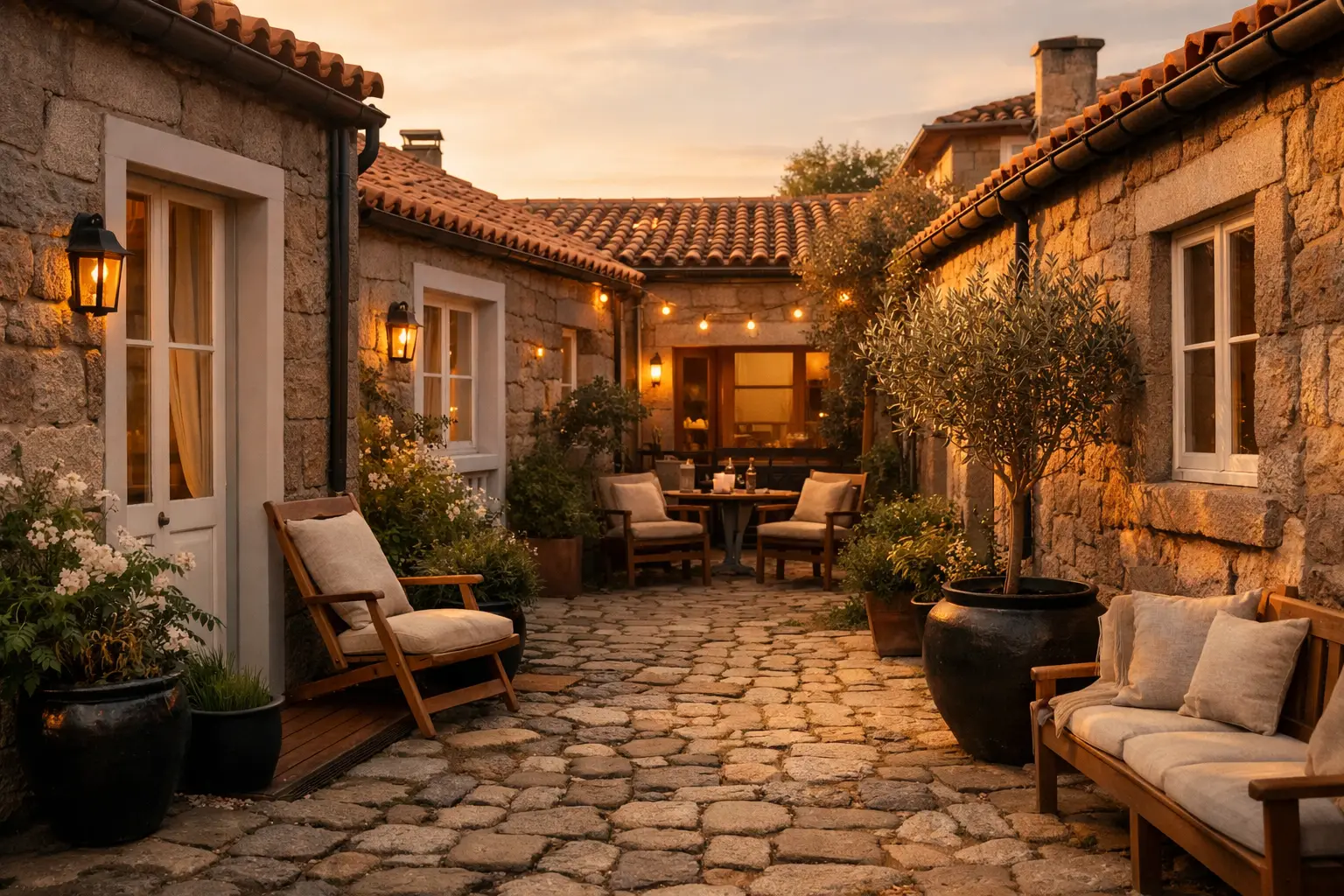
Then there are areas like Bonfim, where the city feels more local in tempo. You still have bakeries, small restaurants, everyday commerce, and easy connections, but the mood is calmer. This is often where visitors start to feel less like passersby and more like temporary residents. Around Ilha Cardoso, where Ruby Charm Houses welcomes guests inside a restored historic community, that sense of staying within a real neighborhood becomes especially clear.
There is a trade-off, of course. The more central and scenic your location, the easier some sightseeing becomes. The more residential your base, the more you may gain in quiet, space, and daily texture. Neither is automatically better. It depends on whether you want Porto on your doorstep at all hours, or Porto as something you step into each morning.
Weather, seasons, and the pace of your trip
Porto changes with the season more than some travelers expect. Summer is lively and bright, with long days that stretch naturally into evening. Spring and early fall are often the easiest times to visit if you want mild weather and a city that still feels active. Winter can be rainy, and older buildings may feel cooler indoors, but the season has its own appeal if you enjoy museums, long lunches, and a more introspective city break.
The Atlantic is close, and you feel it. Even on warmer days, evenings can cool down. A light jacket is rarely a bad idea. Weather here is part of the atmosphere rather than a backdrop to ignore.
Is Porto relaxing or stimulating?
Both, which is part of the reason people return. Porto is stimulating because there is visual richness everywhere - iron balconies, granite facades, tiled entrances, narrow passages, views that open unexpectedly. But it can also be relaxing because the city still allows ordinary moments to hold value.
You do not need to chase a perfect itinerary to enjoy it. A holiday here can include museums and monuments, or it can be built around walks, meals, and neighborhood life. Porto is generous that way.
For some travelers, the city feels romantic. For others, grounding. For many, it is memorable because it resists being one thing only. It is handsome but not pristine. Historic but not frozen. Welcoming, yet still clearly a place where people live and work beyond tourism.
If that's the kind of city you like, Porto tends to stay with you long after the flight home. And if you give yourself time to settle into its pace rather than skim its surface, you'll notice something simple and rare: you stop visiting the city and start feeling at home in it.