
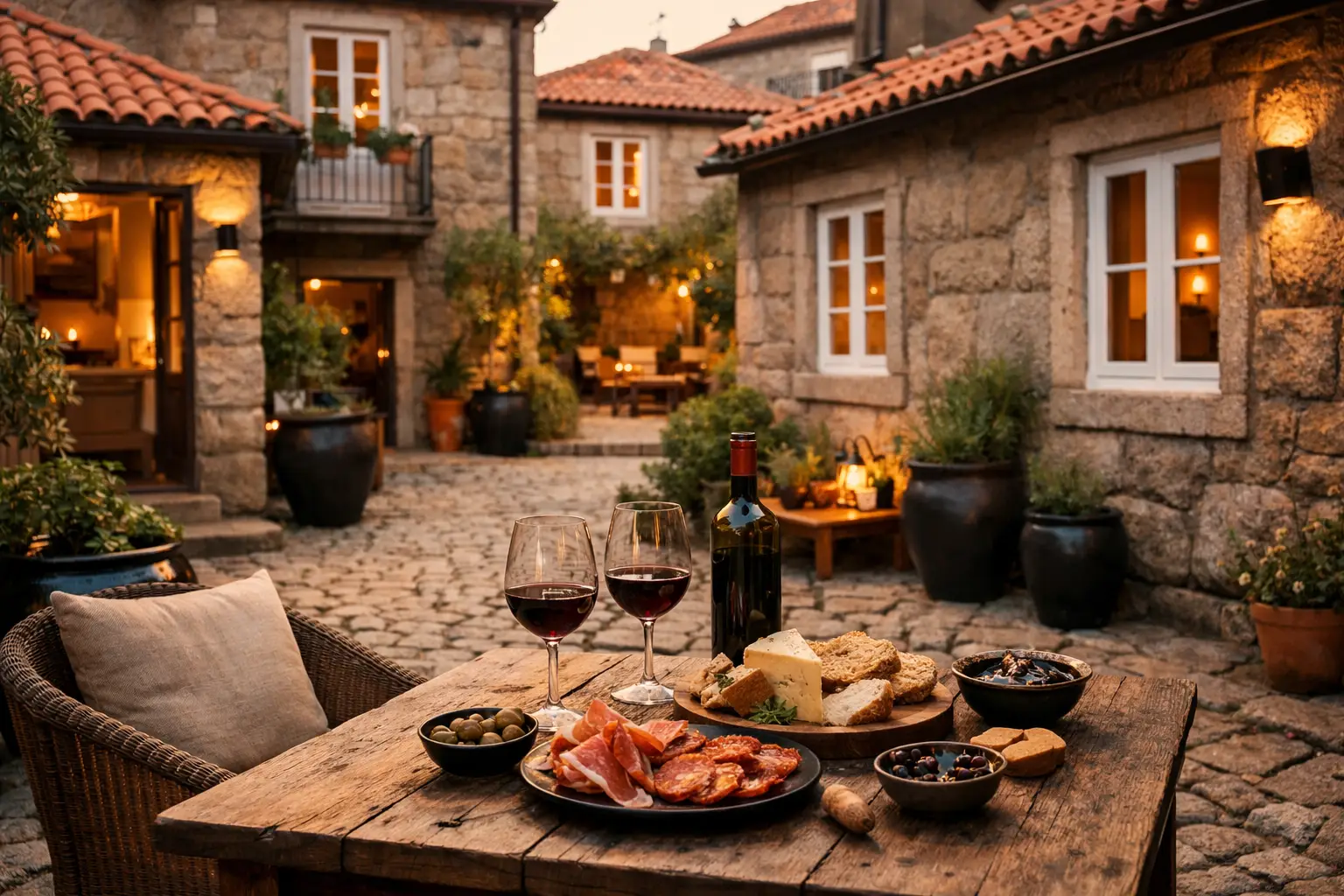
You can learn a lot about Porto before you arrive, but the city still makes more sense once you're holding a small coffee at the counter, hearing cutlery from the next table, and realizing lunch is not something to rush. A good Porto food and wine itinerary is less about ticking off famous dishes and more about understanding the rhythm of the neighborhoods - where breakfast is quick, lunch is generous, wine comes with conversation, and the long walk home is part of the pleasure.
This version is built for three days on foot, with room to linger. It suits travelers who want good meals, solid wine, and a city that feels lived in rather than staged. You'll notice that some of the most memorable stops are not the fanciest ones. Porto rewards appetite, patience, and curiosity.
How to use this Porto food and wine itinerary
Start with one simple rule: do not overbook yourself. Porto looks compact on a map, but the streets rise and fall, and a proper meal here has its own pace. Leave space between stops. If you fit in one market, one long lunch, one wine moment, and one evening meal each day, that is already plenty.
It also helps to balance tradition with newer kitchens. Some visitors come chasing only historic dishes and leave feeling a bit heavy by day two. Others book only contemporary tasting menus and miss the city's everyday appetite. The sweet spot is somewhere in between - a bakery in the morning, a classic tavern at lunch, a thoughtful glass of wine in the late afternoon, then dinner that reflects where Porto is now.
Day 1: Bolhão, Baixa, and the river
Begin in Bolhão, where the morning still belongs to shoppers and stallholders before it belongs to cameras. This is the right part of town for your first breakfast because it shows Porto's appetite in plain view: bread, fruit, cheese, cured meats, pastries, and the soft noise of daily errands. Keep breakfast simple. A coffee and something baked is enough at first, especially if lunch is going to be serious.
From there, walk through Baixa slowly. This is a good stretch for small food purchases rather than a full sit-down stop. If something catches your eye - tinned fish, local cheese, a bottle to open later - take note. Porto is a city where a well-chosen snack can become dinner's prelude once you're back at your house for a rest.
Lunch on your first day should be traditional and unfussy. This is the moment for dishes that explain the city's working appetite: tripas, rojões, grilled fish, or a daily prato do dia if the place has one. And yes, some travelers will want a francesinha on day one. That's fine, as long as you know what you're choosing. It is rich, salty, and better when you're genuinely hungry. If you want to keep the day lighter, save it for lunch rather than dinner.
In the afternoon, walk downhill toward Ribeira and across, or simply along, the river. This is where many visitors feel pushed toward the same wine experience everyone else is having. You do not need to avoid the wine cellars altogether, but choose carefully. A guided tasting can be worthwhile if you want context on styles, aging, and producers. If you already know a bit about Port, look for a place that pours thoughtfully and lets you compare rather than perform the experience for you.
Taste with attention. White Port served chilled can be a very good late-afternoon start. A tawny with age will tell you more about wood, time, and texture. Ruby styles are fruitier and easier to read. The point is not to try everything. The point is to notice what kind of sweetness and structure you actually enjoy.
Dinner should happen back up in the city rather than right on the busiest riverfront stretch. Look for a dining room with a short menu and a kitchen that respects seasonality. Porto is strong on seafood, rice dishes, and restaurants that pour local wines without making them feel ceremonial. Order a bottle from the Douro if you want structure and depth, or from Vinho Verde if the evening is warm and you want something with lift. End the night with a slow walk through the lit streets rather than another bar.
Day 2: Bonfim appetite, neighborhood pace
Your second day is where the city starts to feel more personal. Head east toward Bonfim, where everyday Porto still shapes the streets. This is a good neighborhood for breakfast because it is less performative. Sit down somewhere that serves proper coffee, toast, cake, or eggs, and watch the morning move around you. The pleasure here is not spectacle. It is routine.
A Bonfim day works well if you break it into small pleasures. Walk a while, stop for a mid-morning pastry, then keep going. If you're staying somewhere like Ruby Charm Houses, inside a restored ilha community, you'll already have a feel for this side of Porto - quieter courtyards, practical streets, neighbors living their day, and food woven into ordinary time rather than packaged as entertainment.
Lunch is the moment to choose between comfort and curiosity. Comfort means roast meats, grilled fish, rice, soup, and house wine poured without fuss. Curiosity might mean a younger chef reworking northern Portuguese ingredients with a lighter hand. Neither is more authentic than the other. It depends what kind of traveler you are and how much contrast you want in a short trip.
In the afternoon, make room for table wine rather than only Port. This matters. Porto's food culture is broader than one fortified drink, and your itinerary should reflect that. Ask for wines from the Douro, Dão, Bairrada, or Vinho Verde and compare how they sit beside local dishes. A mineral white can wake up salted cod. A Bairrada red has enough firmness for pork. A lighter red, served with a bit of a chill, can be perfect if you've been walking all day.
If you enjoy small plates and a more modern wine setting, this is a good evening for it. Choose somewhere that pours by the glass and lets you try two or three things thoughtfully paired with food. Porto does this well now, especially in places that care about Portuguese producers beyond the obvious labels. Keep dinner moderate. The city is better digested slowly.
Day 3: Cedofeita, long lunch, and one last bottle
By day three, you know your appetite better. Start in or around Cedofeita, where the day can begin a little slower. This part of the city suits a later breakfast or early brunch, especially if you want something more contemporary before returning to older flavors at lunch. You'll find places that do good bread, careful coffee, and a room full of residents, students, and visitors without trying too hard to separate them.
Use the late morning for walking. Porto reveals itself between meals as much as during them. The way a grocery shop smells of soap and oranges. The sound from a tasca kitchen before service. The short exchange between server and regular at the next table. All of this helps your food memories land somewhere real.
Make your final lunch the longest of the trip. Choose a restaurant where the dining room settles you in and nobody seems eager to turn the table. This is where a multi-course meal makes sense, not because it is elaborate, but because it gives you time. Begin with soup or small starters, then move to fish or meat, then cheese or dessert if you still have room. Drink a bottle, not in a hurry, and ask for guidance if the list is local and deep.
There is a trade-off here. A famous old restaurant may give you atmosphere and continuity, but not always the sharpest cooking. A newer dining room may cook with more precision, but feel less rooted in the city's older habits. Pick based on mood, not reputation alone.
For your last wine stop, avoid trying to stage a grand finale. A quiet wine bar, a final glass before dinner, or a bottle shared back at your accommodation can be more memorable than one more reservation. If you've bought cheese, preserves, or bread earlier in the trip, this is when they earn their place.
Dinner on the final night can be very simple. Many travelers make the mistake of planning their biggest meal here, then arrive tired and half hungry from the afternoon. Better to choose somewhere warm, local, and manageable. A plate of cod, a good salad, a glass of red, maybe dessert if the day has left room for it. Porto rarely asks for drama. It asks for appetite and attention.
A few choices that shape the trip
The best Porto food and wine itinerary depends on how you like to travel. If you care most about classic dishes, build your days around lunch, when traditional restaurants are at their strongest. If wine matters more, leave your afternoons flexible so you can extend a tasting that surprises you. If you want a more local pace, stay a little outside the busiest center and walk in with intention.
One more thing helps: repeat a place if it feels right. Go back for the same pastry. Order the same wine again with a different dish. Cities become memorable through small repetitions, not constant novelty.
If you give Porto three days of honest appetite, it will give you more than a list of meals. It will leave you with a sense of how the city eats, rests, pours, and welcomes - and that is the part you'll want to return to.