
You feel Porto first through its streets. Steep lanes, tiled facades, people walking home with bread under one arm, a tram bell somewhere in the distance. So when visitors ask, is porto safe for tourists, the honest answer is yes - for most travelers, Porto feels comfortable, manageable, and easy to move through. But like any real city, it asks for common sense, especially after dark and in crowded places.
Porto is not a city that usually overwhelms people with safety concerns. Many visitors spend long days on foot, move between neighborhoods by metro or bus, and return home with stories about food, architecture, and riverside light rather than problems. Violent crime against tourists is relatively uncommon. What travelers are more likely to face are the ordinary urban issues you would expect in any popular European city: pickpocketing, phone snatching in busy areas, overpriced taxi rides, or the occasional street that feels a little empty late at night.
Is Porto safe for tourists in daily life?
In practical terms, yes. Most visitors will find Porto easy to navigate and generally safe during the day in central areas like Bolhao, Aliados, Ribeira, Cedofeita, and much of Bonfim. You will see locals commuting, shopping, waiting at bus stops, and walking dogs. That matters. A city with everyday life still moving through it usually feels different from one built only around visitors.
The places tourists spend time in are not sealed-off zones, and that is part of Porto's charm. You are often sharing streets with residents on their normal routines. That creates a sense of rhythm and watchfulness, but it also means you should behave like a thoughtful guest rather than a distracted spectator. If you stop in the middle of a narrow sidewalk to check your phone, or leave a bag hanging open on a cafe chair, you are making yourself easier to target.
At night, the picture depends more on where you are and how you are moving. Busy central streets remain lively well into the evening, especially around restaurants and transport links. But Porto's topography changes the feeling of a place quickly. One well-lit avenue can turn into a steep, quiet side street in less than a minute. If you are walking home late, it is usually wiser to choose the brighter route with more foot traffic, even if it adds a few minutes.
The risks most tourists actually face
Travelers often imagine dramatic danger when the real issues are smaller and more preventable. In Porto, petty theft is the main concern. Crowded trams, metro stations, viewpoints, and busy commercial streets are the usual settings. Keep your phone in a front pocket or zipped bag. Wear crossbody bags securely. Do not leave wallets on restaurant tables. These are simple habits, but they make a difference.
Scams exist, though Porto is not known for the aggressive scam culture you might find in some larger cities. The more common annoyances are unofficial taxi pricing, ATM confusion, and occasional attempts to distract you in busy areas. If something feels pushy or unnecessarily complicated, step back. Use official machines, confirm taxi details in advance, and be cautious if a stranger gets unusually close while asking for help.
There is also the matter of the streets themselves. Porto can be physically tricky. Pavements are uneven, stone surfaces get slippery in rain, and many areas involve hills and stairs. For some visitors, especially those arriving with rolling luggage or wearing thin-soled shoes, the city feels more hazardous underfoot than socially unsafe. A twisted ankle is more likely than a serious crime problem.
Which neighborhoods feel safest?
Most visitors stay in or pass through the historic center, but safety is not only about famous areas. It is also about how a neighborhood lives. Bonfim, for example, often feels calm and residential, with cafés, corner shops, schools, and daily movement that gives reassurance. Parts of Campanha are changing street by street and can be perfectly fine, especially near transport and residential pockets, but some sections feel more rough-edged and less polished at night. That does not automatically mean dangerous. It means you should pay attention to your surroundings instead of assuming every block works the same way.
Ribeira is heavily visited and usually busy, which can feel reassuring, but crowds bring their own small risks. Pickpockets prefer distraction, and riverside areas attract exactly that. Cedofeita and central shopping streets tend to feel comfortable for evening walks, particularly where restaurants and small businesses stay open. Around larger stations and isolated underpasses, the atmosphere can feel less relaxed late at night, especially if foot traffic drops off.
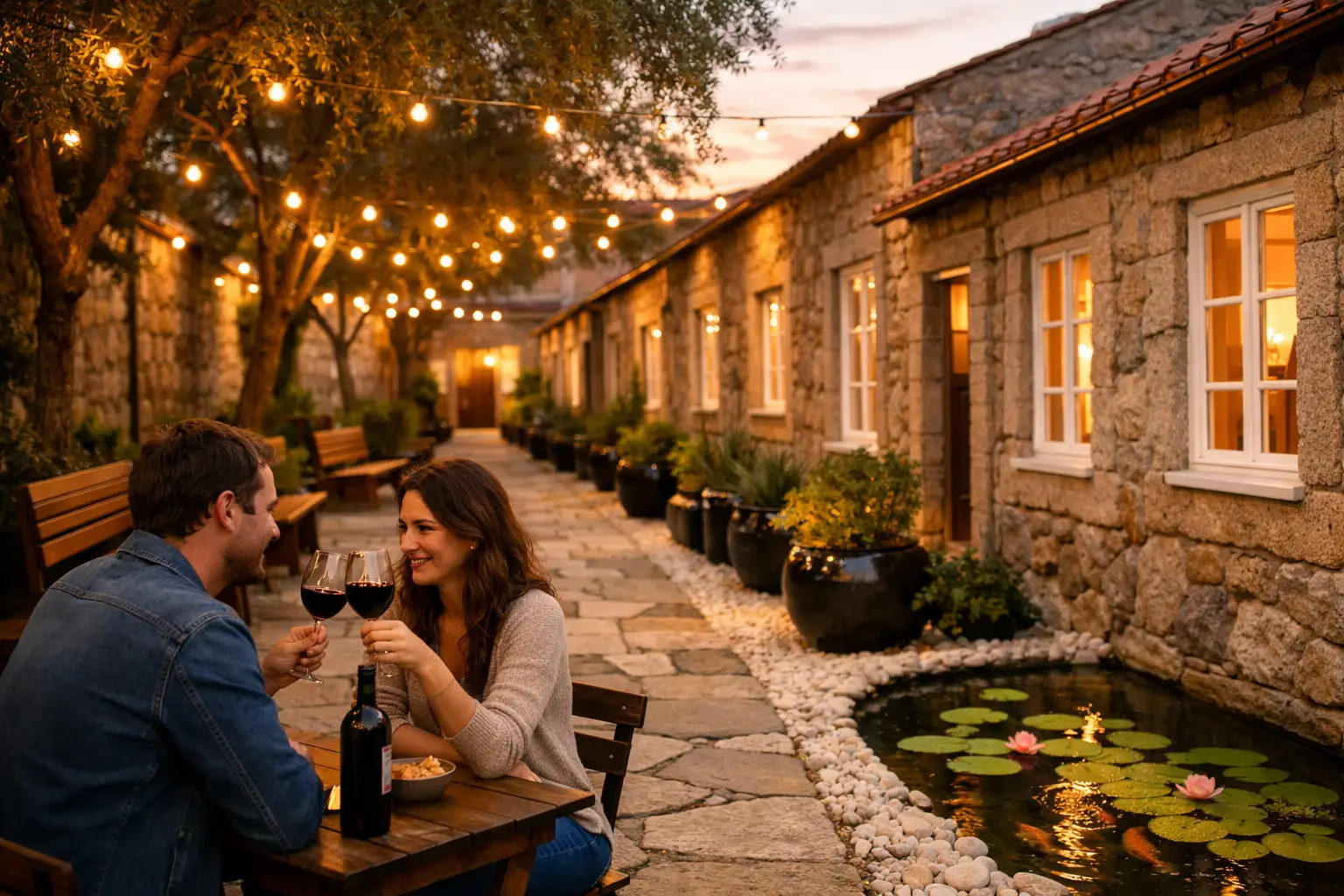
This is where local knowledge helps. A well-run stay in a lived-in neighborhood often feels safer than a flashy address on a louder street. At Ruby Charm Houses, for example, guests stay within a gated ilha community in Bonfim, where privacy, neighbor presence, and a clear sense of place create a very different feeling from anonymous blocks.
Is Porto safe for solo travelers?
For many solo travelers, yes. Porto is often a comfortable city to visit alone because it is compact enough to learn quickly and social enough without demanding constant interaction. Solo travelers can walk, read in cafés, use public transport, and enjoy museums or markets without feeling conspicuous.
Solo women travelers generally report feeling at ease, especially during the day and early evening. The same advice applies here as in most cities: keep someone informed of your plans, avoid deserted streets late at night, and trust your instincts if a situation feels off. Porto is usually more low-pressure than chaotic, but no city removes the need for awareness.
If you are arriving late, it helps to organize your transfer in advance, especially if you have not been to the city before. First impressions matter. Reaching your accommodation smoothly, rather than dragging bags uphill while checking maps on your phone, sets a different tone for the whole stay.
Public transport, taxis, and getting around safely
Porto's metro is generally safe, clean, and straightforward. During normal daytime and evening hours, it is an easy way to move around the city. Keep an eye on your belongings, especially near doors and on crowded airport or center-bound lines. Buses are similar - usually uneventful, occasionally crowded, and best navigated with a little patience.
Taxis and ride services are widely used. Most trips are perfectly fine, but standard precautions still matter. If you are taking a taxi from the airport or a station, make sure it is official and that the driver understands the destination before you set off. If you are tired or arriving after dark, pre-booked transport can remove unnecessary stress.
Walking is often the best way to understand Porto, but choose your routes with the city in mind. The shortest route on a map may involve a deserted staircase, a badly lit lane, or a steep downhill street with slick stones. Daylight changes the city. Rain changes it too.
A few habits that make Porto feel even easier
The safest travelers are usually not the most anxious ones. They are the ones who stay present. Keep valuables close. Do not flash cash or expensive jewelry. Charge your phone before long days out. Save your address offline. If you are having dinner and heading home later, check the route before you leave the restaurant, not halfway through a quiet street.
It also helps to pay attention to the local rhythm. Streets that feel lively at 6 p.m. may empty by 11 p.m. Residential neighborhoods can feel peaceful rather than deserted, but there is a difference between calm and isolated. If you are unsure, ask your host which route they would take home.
And if something does go wrong, Porto is still an easy city in which to get help. Hotel staff, hosts, shopkeepers, and transport staff are usually used to assisting visitors with practical issues, whether that means directions, calling a taxi, or helping after a lost item.
So, is Porto safe for tourists?
Yes, for the large majority of visitors, Porto is a safe city to enjoy with confidence. It is walkable, human-scaled, and full of ordinary neighborhood life that helps people feel grounded quickly. But safety here is not about pretending risk does not exist. It is about matching the city properly. Stay aware in crowds. Be sensible at night. Choose accommodation in a place that feels cared for and lived in.
That is often the difference between merely visiting a city and settling into it. When you know where you are sleeping, how you are getting home, and what kind of street will greet you in the evening, Porto stops feeling like a question mark. It starts to feel like somewhere you can belong, even for a few days.