
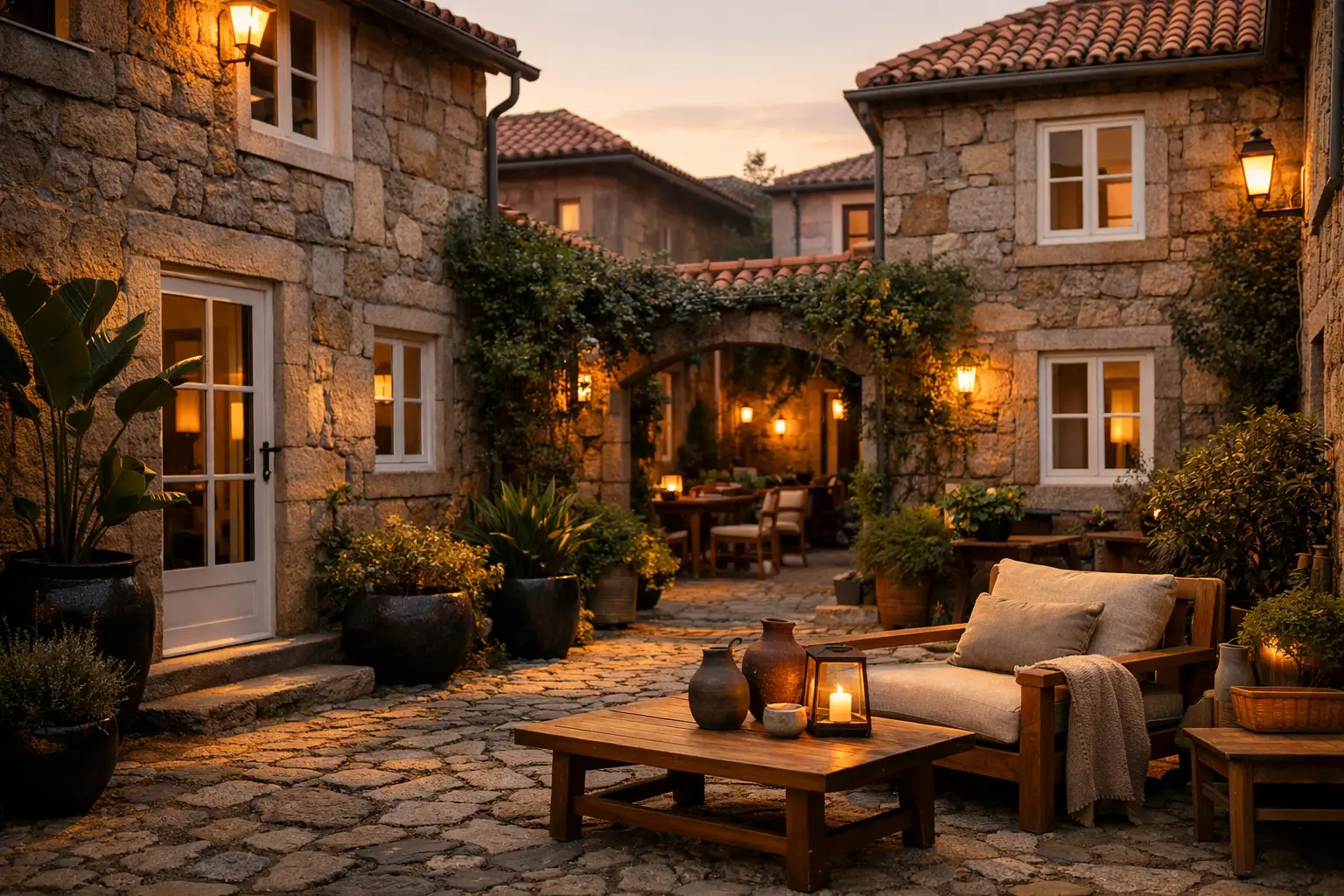
If you're looking for a guia completo do Bonfim Porto, start with this: Bonfim is not a stage set. It is a lived-in part of the city where mornings begin with shutters opening, bread runs, school drop-offs, and people greeting each other on the sidewalk. That matters, because the pleasure of staying here comes from noticing how Porto moves when it is simply being itself.
Bonfim sits just east of the historic core, close enough to walk into the busier center and far enough to keep a more residential rhythm. You'll feel that balance right away. One street carries old workshops, tiled facades, and small groceries. The next has a thoughtful café, a wine bar with a short menu, or a family-run restaurant where lunch still follows the clock of the neighborhood rather than the algorithm of a travel app.
Why Bonfim feels different
Some visitors choose Bonfim because they want easier access to the city center without sleeping in its busiest streets. Others come because they care about architecture, local routine, and places with a bit more texture. Both reasons make sense.
Bonfim has changed over the years, and you can see that in its mix of old businesses, careful restorations, and newer independent spots. But the district still feels grounded. It remains a place of front doors, courtyards, schools, bakeries, laundries, and conversations held at street level. You'll notice less performance here and more ordinary life, which is often what travelers remember most.
That does not mean every corner is polished. Some buildings are beautifully restored and some are still waiting. Some streets feel lively and social, while others are quiet after dark. This mix is part of Bonfim's honesty. If you want a neighborhood with a perfectly curated surface, look elsewhere. If you want somewhere real, Bonfim gives you room to settle in.
A practical guia completo do Bonfim Porto
The easiest way to understand Bonfim is on foot. Distances are kind, but Porto's hills are real, so comfortable shoes are worth more than any itinerary. From Bonfim, you can walk toward Bolhão and Santa Catarina for shops and daily movement, continue down toward Ribeira if you do not mind the slopes, or head toward Campanhã for a different view of the city's east side.
Bonfim Church, with its broad staircase and open square, works well as a reference point. Around it, the neighborhood spreads through residential streets where details matter - iron balconies, stone thresholds, tiled entrances, and the soft noise of domestic life. If you are the kind of traveler who likes to photograph doorways and laundry lines without turning them into a spectacle, this is your terrain.
Public transportation is straightforward. The area is well connected by bus and metro, and Campanhã station is close enough to be genuinely useful, especially if you are arriving by train or planning a day trip. That said, Bonfim rewards slower movement. A tramline or taxi can save time, but walking is how the neighborhood starts to make sense.
Where to wander without rushing
There is no single perfect route through Bonfim, which is part of its charm. Start with the streets around the church, then drift toward Praça dos Poveiros and the edge of the center. Or go the other way and let the residential grid pull you east. The point is not to cover everything. The point is to let the district reveal itself in small scenes.
Look for traditional shopfronts, corner cafés with regulars at the counter, and narrow passages that open unexpectedly into calmer spaces. In parts of Bonfim and nearby Campanhã, you'll also come across ilhas - the small workers' housing communities built behind street-facing homes. These are part of Porto's social and architectural history. They should be approached with respect, not curiosity for curiosity's sake. Some remain private residential spaces. Others, carefully restored, show how heritage and hospitality can coexist without erasing neighborhood life.
What to eat and when
Bonfim is a good neighborhood for travelers who like food that belongs to daily life. Breakfast can be simple - coffee, fresh juice, something warm from the bakery. Lunch is often the better moment for traditional cooking, especially in places serving fixed menus to local workers and residents. Dinner shifts a little more contemporary in some corners, but the best meals still tend to feel unforced.
This is not a district that needs hype to eat well. The pleasure is in the range. You might have a quick savory pastry in the morning, a long lunch with soup and fish, and later a glass of wine with a few small plates in a room that used to be something else entirely. If you have dietary restrictions, you'll find options, but Bonfim still leans more toward straightforward Portuguese cooking than trend-led menus.
Coffee culture here is also worth your time. Some spots are old-school and brisk. Others invite you to stay with a notebook for an hour. Neither is more authentic than the other. Bonfim holds both, and that balance is part of what makes it welcoming.
Markets, shops, and the everyday city
A neighborhood becomes useful when it can carry a day, not just a photo. Bonfim does that well. You can pick up fruit, bread, flowers, pharmacy basics, and a decent bottle of wine without turning every errand into a destination. For longer wandering, Bolhão is close enough to fold into your routine, and nearby streets offer everything from hardware stores to design-led independents.
This matters more than it may seem. Travelers often talk about atmosphere, but atmosphere comes from function. Bonfim works because people live here. The streets are not waiting for visitors to animate them. Visitors simply join an existing rhythm.
If you stay in a house or apartment rather than a hotel, this part becomes especially valuable. A neighborhood grocery, a local bakery, and a bench in the shade can shape a day as much as any museum. Porto is generous in this way when you let it be.
Where Bonfim sits in the wider city
Bonfim is often described as central, and that is mostly true, but central in Porto depends on how you like to move. If you want to step directly into the densest sightseeing streets, you'll still walk a little. If you prefer a base with breathing room, Bonfim is very well placed.
From here, Bolhão is easy. Cedofeita is reachable. Ribeira is a longer but rewarding walk if you pace yourself. Campanhã opens up the east and connects you to trains beyond the city. This in-between quality is one of Bonfim's strengths. You are not isolated, and you are not trapped in the busiest version of Porto either.
For many guests, that trade-off is ideal. You get access without overload. You can spend the day in the heart of town and come back to a street where evening still feels residential.
Staying in Bonfim: what to expect
Accommodation in Bonfim ranges from simple guesthouses to carefully restored homes. The key difference is less about star rating and more about how you want to inhabit the city. If you want someone at a front desk at all hours, a standard hotel may suit you better. If you want a place with character, a kitchen or shared courtyard, and a closer relationship to the neighborhood, Bonfim offers strong options.
This is where context matters. In a traditional ilha setting, for example, quiet hours, shared access, and neighbor respect are not formalities. They are part of staying well. The reward is a deeper sense of place. You hear the city waking up, not hotel corridor doors. You pass through a lived space, not a neutral lobby.
At Ruby Charm Houses, that balance between comfort and neighborhood care is central. The houses sit within a restored ilha community, which means guests experience Porto's heritage at close range while still having privacy and practical amenities. It is not a theatrical version of local life. It is a respectful invitation into it.
A few things first-time visitors should know
Bonfim is easy to enjoy if you arrive with the right expectations. The sidewalks can be uneven. Streets rise and fall more than the map suggests. Some cafés still run on cash-friendly habits, even if cards are widely accepted. Sundays are quieter. Early mornings have their own beauty.
It also helps to loosen your schedule. Bonfim is not a neighborhood that performs best under pressure. Leave room for a second coffee, a slower lunch, or a short detour down a street that looks promising. Porto, especially here, tends to reward attention more than efficiency.
If you are deciding where to stay in the city, Bonfim makes sense for travelers who want proximity without noise, character without spectacle, and a neighborhood that still belongs to the people who live in it. That combination is getting rarer in European cities, and you can feel the value of it when you wake up and the street below is simply carrying on with its day.
Come to Bonfim ready to walk, to notice, and to be a considerate guest. The neighborhood does not need much from you. Just time, curiosity, and the good manners that make any city feel more generous in return.